Contents
The Charm of Kyoto’s Handcrafted Crafts
Among the traditional crafts made in Kyoto, many are not nationally designated. These are called “Kyoto’s Handcrafted Crafts,” characterized by delicate handwork techniques and unique beauty.
For example, framed signboards involve pasting a manuscript written with a brush on wood, carving the letters with a chisel, painting colors and lacquer, and applying gold leaf, showcasing meticulous craftsmanship.
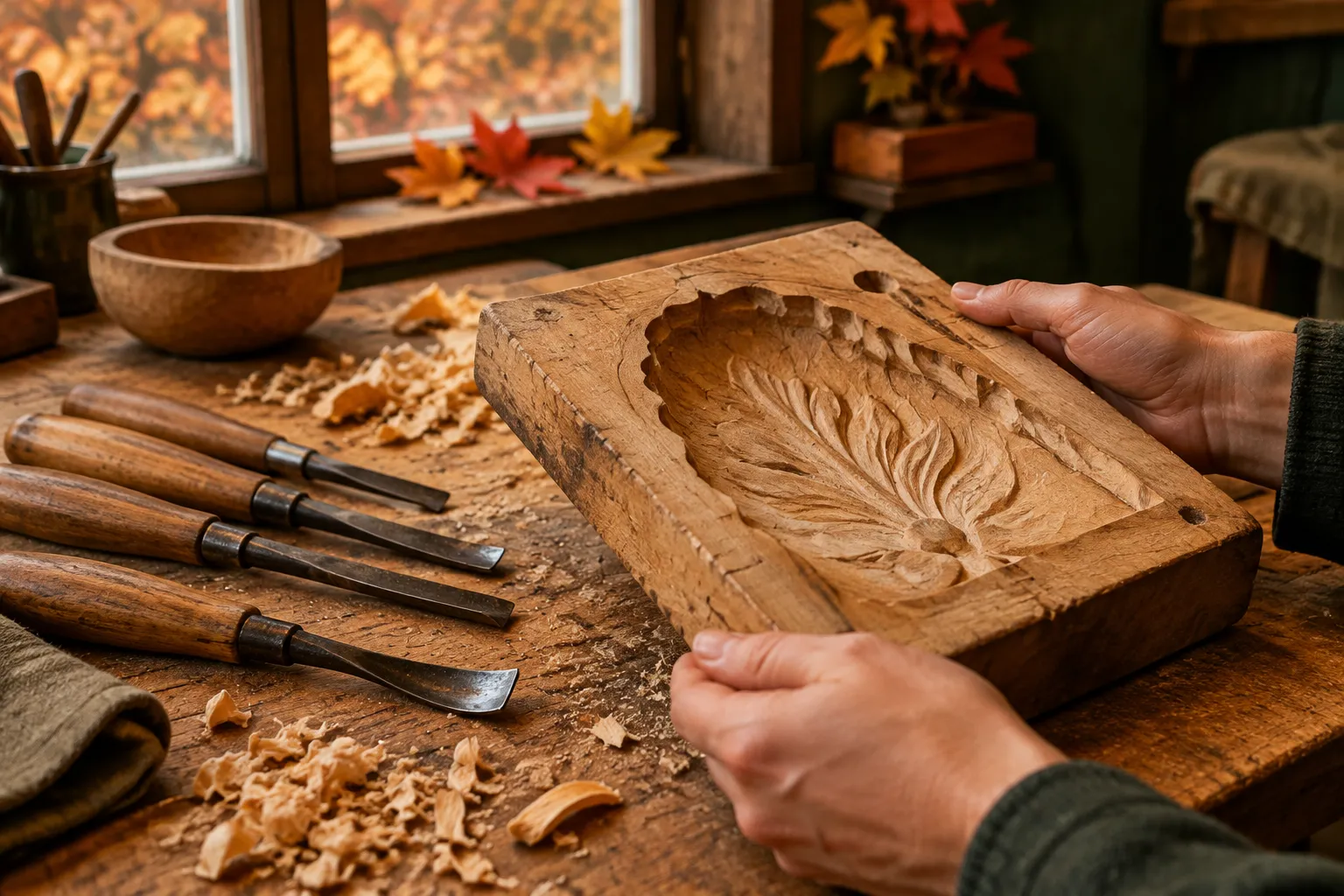
Also, confectionery wooden molds are made mainly in Kyoto using cherry wood and are essential molds for pressed sweets in Kyoto confectionery making.
Wigs are made by creating metal molds shaped to fit the head, then finishing by tying hair strands one by one onto a mesh material using traditional techniques.
Wire mesh crafts are used as kitchen utensils and cooking vessels, such as tofu scoops and tea strainers, and are crafts closely connected to daily life.
Karakami is a decorative paper originally introduced from China and is often used as sliding door paper in shrines, temples, and tea rooms.
Background: Makers and Cultural History
These crafts have been handed down for many years by Kyoto artisans. Traditional techniques and knowledge of materials have been passed down through generations and are rooted in the local culture and lifestyle.
Although not nationally designated, they play an important role supporting local industry and culture.
Characteristics of Manufacturing Methods and Materials
Framed signboards are made by pasting manuscripts on wood, carving with chisels, painting colors and lacquer, and applying gold leaf.
Confectionery wooden molds use cherry wood as material and are used as molds for pressed Kyoto sweets.
Wigs are made by creating molds from aluminum or copper plates and shaping by tying hair strands one by one onto mesh materials.
Wire mesh crafts are made by weaving thin metal wires and used as kitchen utensils and vessels.
Karakami is traditional decorative paper often used as sliding door paper in shrines, temples, and tea rooms.
Production Areas and Regional Characteristics
These crafts are mainly made within Kyoto city, and especially confectionery wooden molds are mostly produced in Kyoto.
As traditional local industries, they are deeply connected to Kyoto’s culture and history.
Contact Points for Visits and Purchases
The Creative Industry Promotion Office of Kyoto City’s Industrial Tourism Bureau serves as the contact point, providing detailed information and inquiries.
The main phone number is 075-222-3337, and the content industry promotion number is 075-222-3306.
When considering visits or purchases, it is recommended to check the latest information at the official contact points.
Explanation for Overseas Readers
Kyoto’s traditional crafts include not only nationally designated items but also diverse handcrafts rooted in the region. These are important elements showing the richness of Japanese traditional culture.
For those interested in overseas crafts and design, learning about these handcraft techniques, material selection, and regional characteristics can help deepen understanding of Japanese culture.
When visiting or purchasing, it is important to obtain the latest information from Kyoto City’s official contact points. Traditional crafts may change over time, so utilizing local guidance is advised.
出典
- 国指定以外の伝統産業(京の手しごと工芸品1)(2026年11月8日確認)
Related Links
Related articles
Honminoshi: Traditional Japanese Washi Paper with a 1300-Year History
Honminoshi is a washi…
Features and Appeal of Yokkaichi Banko Ware
Yokkaichi Banko Ware …