Attractions and Background of Designated Traditional Crafts in the Chunansei Region of Mie Prefecture
Read this article in
Contents
Attractions of Traditional Crafts in the Chunansei Region of Mie Prefecture
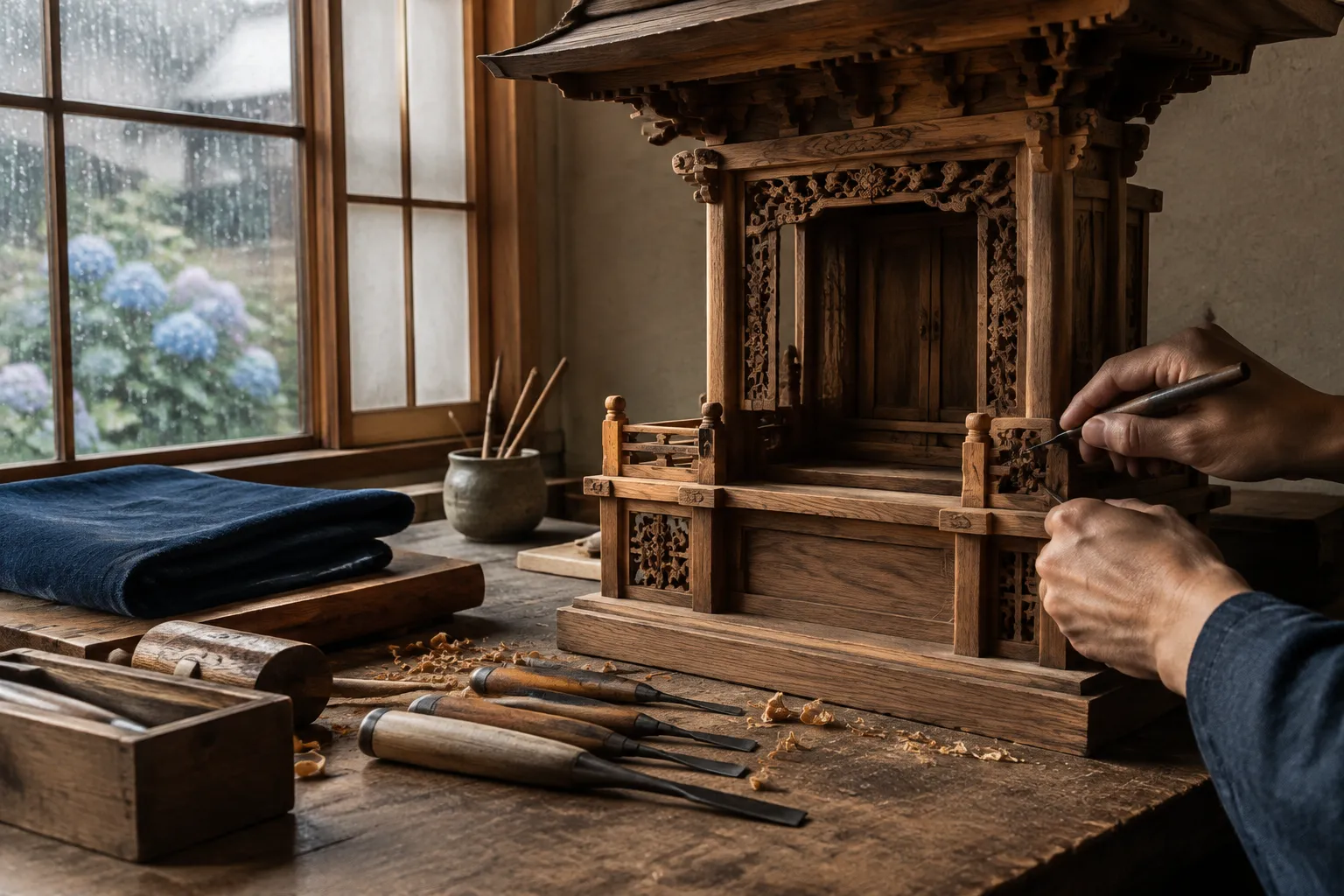
The Chunansei region of Mie Prefecture is home to many traditional crafts with unique beauty and techniques. For example, Takada Buddhist altars feature carvings of ascending and descending dragons on the left and right pillars, characterized by their splendid and tall structure. Ise cotton uses a yarn-dyeing technique called “sakisome” before weaving, producing durable and beautiful fabric. These crafts reflect the region’s history and culture, showcasing the delicate skills of artisans.
Historical and Cultural Background
Takada Buddhist altars originated near Senshu-ji, the head temple of the Takada branch of Jodo Shinshu Buddhism. Ise cotton developed during the Edo period under the encouragement of the Tsu domain lord and was transported to Edo by Ise merchants. Akogi ware began in the mid-Edo period and was revived at the end of the Edo period. These crafts are deeply connected to the region’s religion and economic activities, with techniques passed down through a long history.
Characteristics of Production Methods and Materials
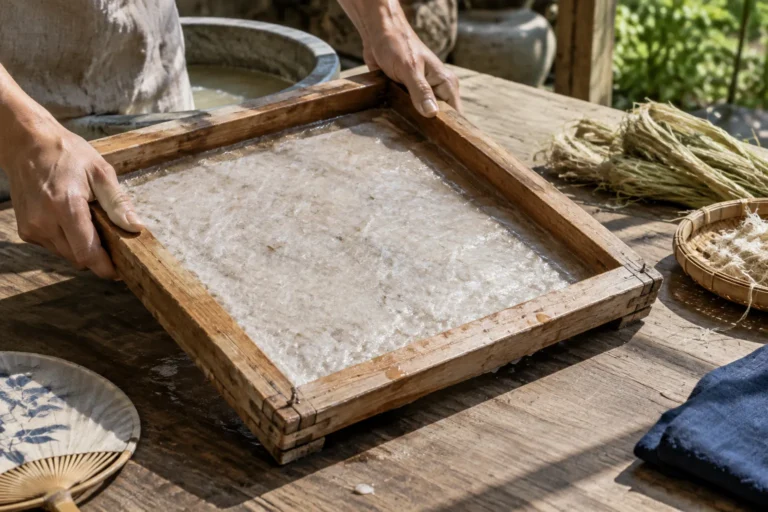
Takada Buddhist altars are elaborately carved in wood and decorated with gorgeous ornamentation. Ise cotton is woven using the sakisome yarn-dyeing technique, giving it a distinctive color and durability. Bamboo crafts, such as traditional flower baskets, have been handmade since the mid-Edo period. Fukano paper is a high-quality Japanese paper used as domain currency paper in the late Edo period. These crafts utilize the characteristics of their materials and are finished with skilled craftsmanship.
Production Areas and Regional Characteristics
These traditional crafts are mainly produced in the Chunansei region, including Tsu City and Matsusaka City. Takada Buddhist altars originated in Isshinden, Tsu City, and Matsusaka Banko ware developed in Matsusaka City. Each area has distinctive crafts, and the production areas strive to preserve and develop traditional techniques.
Contact Points for Visits and Purchases
For detailed information, purchases, and tours related to traditional crafts of Mie Prefecture, you can contact the Prefectural Product Promotion Section, Prefectural Employment and Economy Department, Mie Prefecture. The address is 13 Hiromachi, Tsu City, and the phone number is 059-224-2336. Please check the official contact point for the latest information.
Explanation for Overseas Craft and Design Enthusiasts
Traditional crafts of the Chunansei region in Mie Prefecture feature diverse techniques and aesthetics reflecting Japanese history and local culture. For example, the dragon carvings on Takada Buddhist altars have religious significance, and the sakisome dyeing technique of Ise cotton creates deep colors. These crafts are made with delicate handwork and production methods that utilize the characteristics of materials. When considering visits or purchases, checking the latest information at official local contact points and understanding the background and culture of the production areas will enhance your appreciation.
出典
- 三重県指定伝統工芸品(中南勢地域)(2026年11月8日確認)
Related Links
Related articles
Honminoshi: Traditional Japanese Washi Paper with a 1300-Year History
Honminoshi is a washi…
Features and Appeal of Yokkaichi Banko Ware
Yokkaichi Banko Ware …