Traditional Crafts of Aomori Prefecture: The Charm and Background of Ōwani Kokeshi and Zuguri
Read this article in
Contents
The Charm of Ōwani Kokeshi and Zuguri
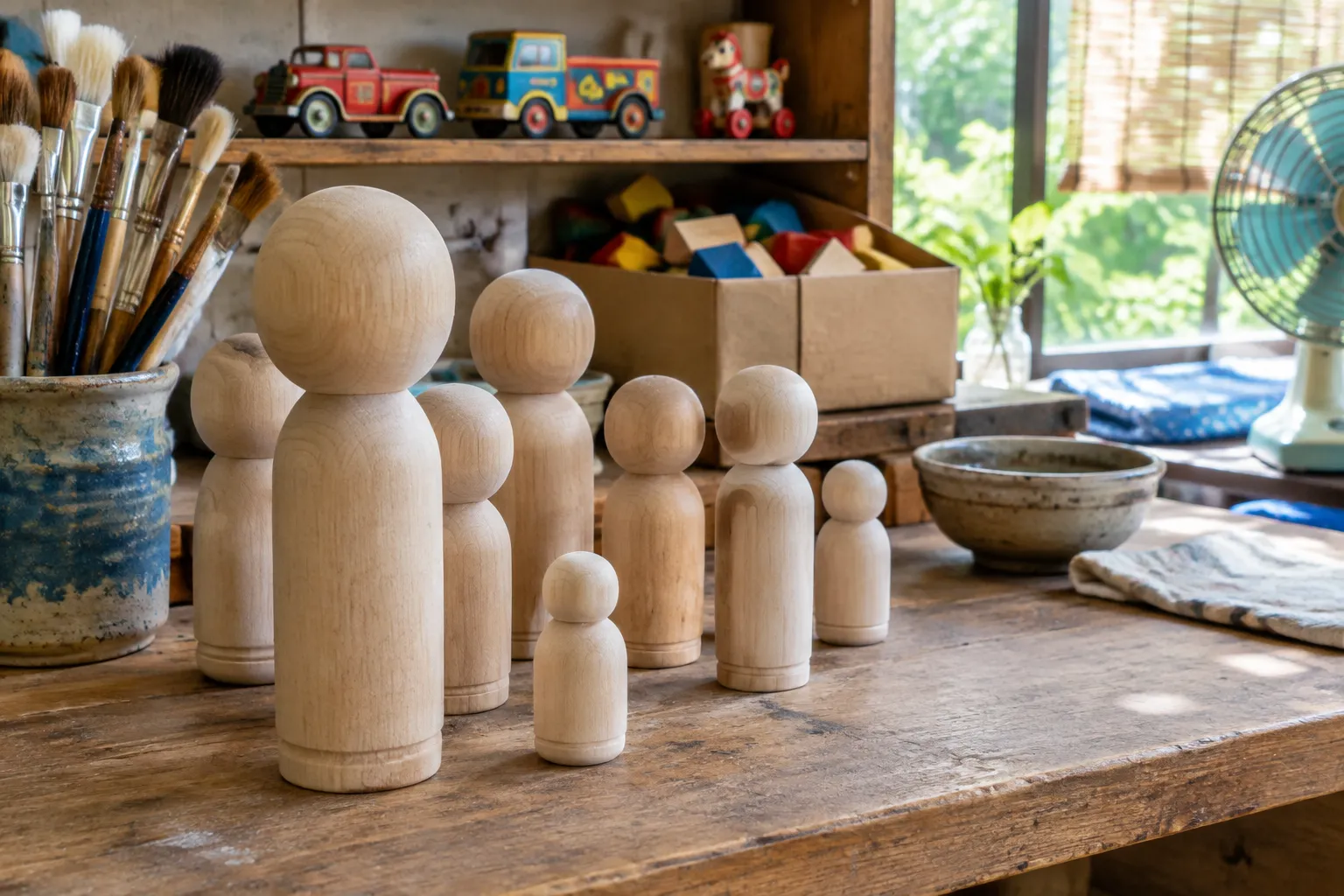
Ōwani Kokeshi are wooden dolls characterized by a straight body with broad shoulders decorated with iris patterns and an innocent smile. Their simple yet gorgeous appearance gives viewers a sense of warmth.
Zuguri are colorful spinning tops, traditional toys loved by children in snowy regions. Their vivid colors catch the eye.
History and Cultural Background
The origin of Ōwani Kokeshi dates back to the early Meiji period, beginning when craftsmen moved from Nukumori Onsen, the birthplace of Tsugaru-style kokeshi, to Ōwani Onsen and started woodturning. Kokeshi production became full-fledged in the Taishō era.
Zuguri have long been loved as playthings for children in snowy regions. These crafts are deeply rooted in the local culture and lifestyle.
Manufacturing Methods and Materials
The manufacturing process starts with woodturning, followed by drawing lines with a lathe, painting patterns, finishing the face, and finally waxing to complete. Made from wood, they are carefully finished by hand.
Colorful Zuguri are also wooden and painted using traditional techniques.
Production Areas and Visiting Information
These crafts are made around Ōwani Onsen in Aomori Prefecture. Products are exhibited and sold at local craft centers and cooperatives.
When considering visiting or purchasing, it is recommended to check the latest information at official contact points such as the Regional Business Support Division of Aomori Prefecture.
Explanation for Overseas Readers
Ōwani Kokeshi and Zuguri of Aomori Prefecture are traditional crafts nurtured in Japan’s snowy regions. Made from wood, these works reflect the local natural environment and culture.
The distinctive shapes and patterns of Ōwani Kokeshi represent a fusion of craftsmen’s skills and regional aesthetics. Zuguri also serve as children’s toys, conveying the local lifestyle culture.
When visiting, understanding the manufacturing process and history will allow you to appreciate the crafts more deeply. When purchasing or viewing, use official information sources to confirm the latest situation.
出典
- 青森県の伝統工芸品(大鰐こけし・ずぐり)(2026年11月8日確認)
Related Links
Related articles
Honminoshi: Traditional Japanese Washi Paper with a 1300-Year History
Honminoshi is a washi…
Features and Appeal of Yokkaichi Banko Ware
Yokkaichi Banko Ware …