Contents
Features and Appeal of Yokkaichi Banko Ware
Yokkaichi Banko Ware is a semi-porcelain positioned between pottery and porcelain, with particularly high heat resistance as a major feature. It is suitable for cooking utensils such as donabe pots because it is resistant to cracking even when placed directly on fire or heated empty.
Additionally, it is valued for its excellent heat retention due to the far-infrared effect, making it a practical and beautiful ceramic ware loved by many.
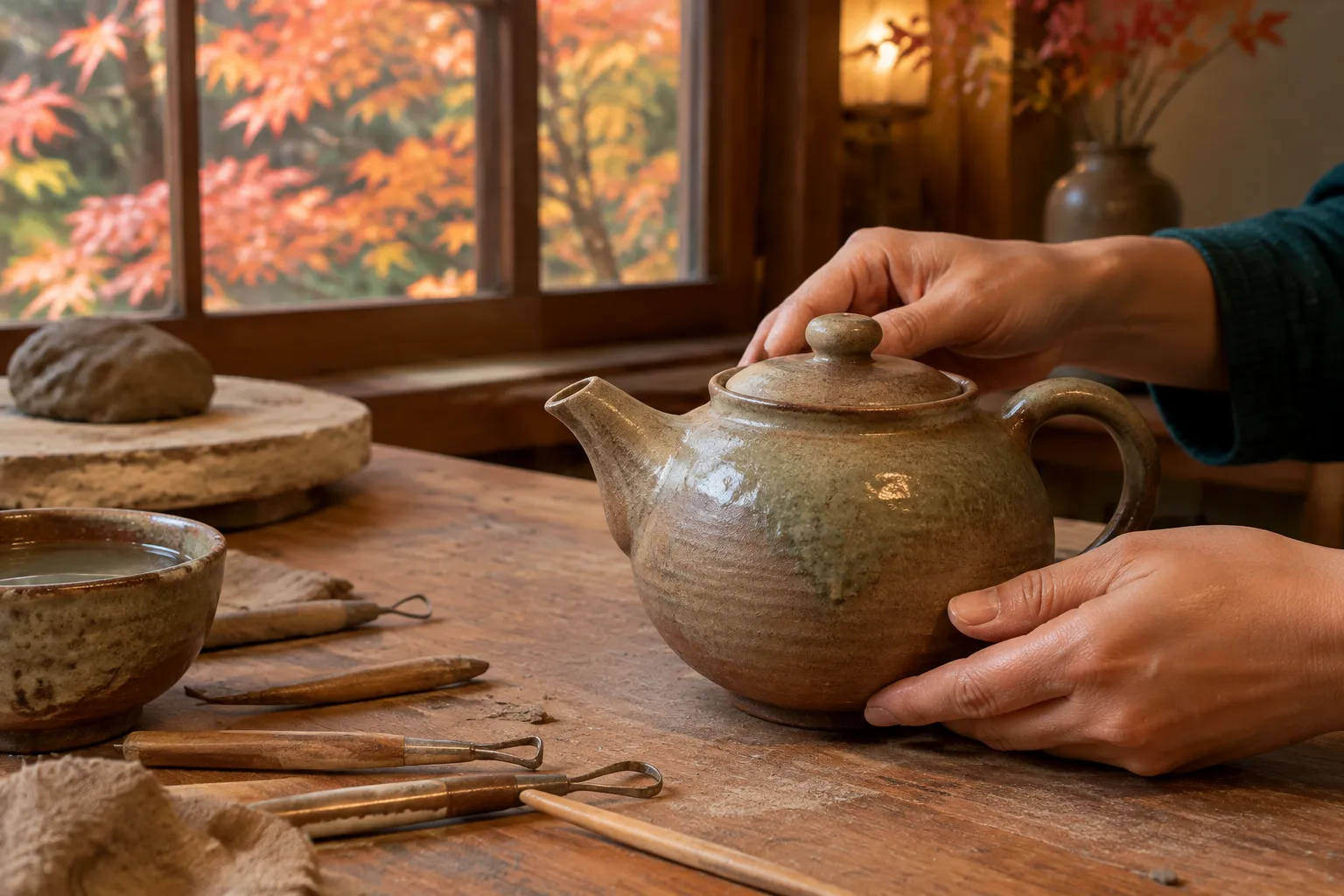
A representative product of Banko Ware is the teapot; the shidei teapot, made using local red clay without glaze and fired tightly, is a symbolic item of this pottery.
History and Cultural Background
This pottery originated in the mid-Edo period when Numabe Ryozan, a merchant from Kuwana, built a kiln in present-day Asahi Town out of his interest in tea, and began producing tea utensils.
He stamped his works with the mark “萬古不易” wishing for their lasting value.
In 1979, it was recognized as a traditional craft by the Minister of Economy, Trade and Industry and is also registered as a Mie brand.
Manufacturing Methods and Material Characteristics
Banko Ware mainly uses locally sourced red clay rich in iron content as its primary material and is a semi-porcelain type of ceramic.
A characteristic technique is firing without glaze, which is especially utilized in the shidei teapots.
Many cooking utensils such as donabe pots are made taking advantage of its heat resistance, and its high heat retention due to the far-infrared effect is also notable.
Production Areas and Related Facilities
The main manufacturing areas are Yokkaichi City, Komono Town in Mie District, Asahi Town, and Kawagoe Town in Mie Prefecture.
There is the Banko Ceramic Industry Cooperative Association as a local union, with an office located in Kyomachi, Yokkaichi City.
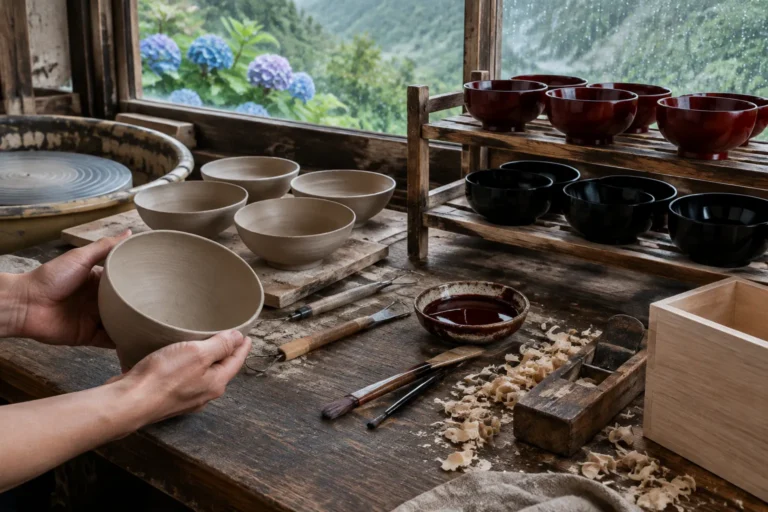
Also, at Banko no Sato Hall, visitors can experience painting and pottery making, making it an attractive spot for visitors.
Points for Visiting and Purchasing
If you want to actually see Banko Ware products or experience making them, Banko no Sato Hall is convenient.
For purchases and the latest information, it is recommended to contact the Banko Ceramic Industry Cooperative Association or official Mie Prefecture offices.
Explanation for Overseas Readers
Yokkaichi Banko Ware is one of Japan’s traditional ceramics, known as a heat-resistant semi-porcelain. For overseas craft and design enthusiasts, the fusion of functional beauty as cooking utensils and traditional techniques is especially appealing.
Historically, it began in the mid-Edo period and is deeply connected with tea culture. Its manufacturing method uses local red clay and a technique of firing without glaze, creating a unique texture and heat resistance.
When visiting, utilizing local cooperatives and experience facilities to handle and make the ware allows for a deeper understanding. It is a good opportunity to appreciate its value as a traditional Japanese craft while learning about its cultural background and techniques.
出典
- 四日市萬古焼(2026年11月8日確認)
Related Links
Related articles
Honminoshi: Traditional Japanese Washi Paper with a 1300-Year History
Honminoshi is a washi…