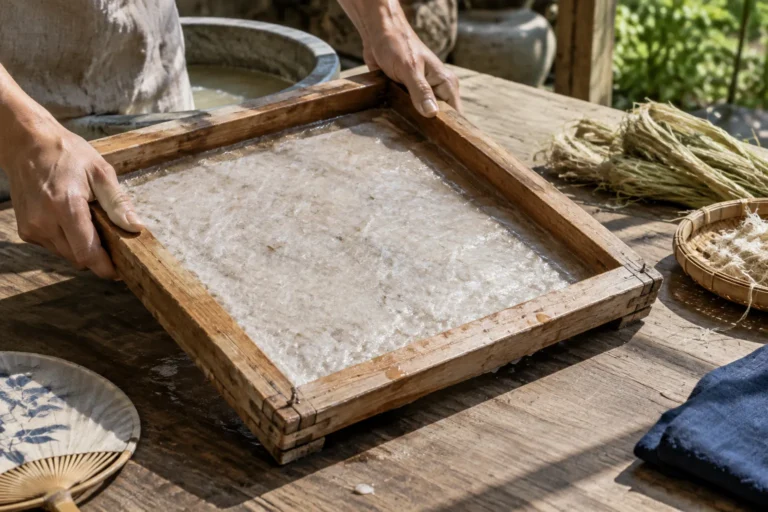
Nationally Designated Traditional Crafts (Various Crafts) — The Charm of Kyoto’s Traditional Techniques and Culture
Read this article in
Contents
The Charm of Nationally Designated Traditional Crafts (Various Crafts)
Kyoto’s various crafts combine diverse techniques such as woodworking, lacquerware, metalworking, and ceramics to create elaborate and beautiful works. Kyo Buddhist altars are made using wood from pine, cypress, and cedar, with lacquer, gold leaf, silver, copper, and brass, produced through multiple processes. These crafts are the crystallization of Japanese traditional beauty and artisan skills, possessing high cultural value.
History and Cultural Background
Kyoto has been known as the birthplace of traditional crafts since the Heian period. Kyo Buddhist altars boast the highest quality in Japan with advanced techniques continuing from the Heian period, and Kyo Buddhist fittings have a history of over 1000 years. Kyo lacquerware established unique techniques based on methods introduced from China and developed alongside the tea ceremony during the Muromachi period. Kyo joinery originated from court culture, with specialized craftsmen appearing and developing during the Muromachi period. These crafts strongly reflect Japan’s history and culture.
Characteristics of Manufacturing Methods and Materials
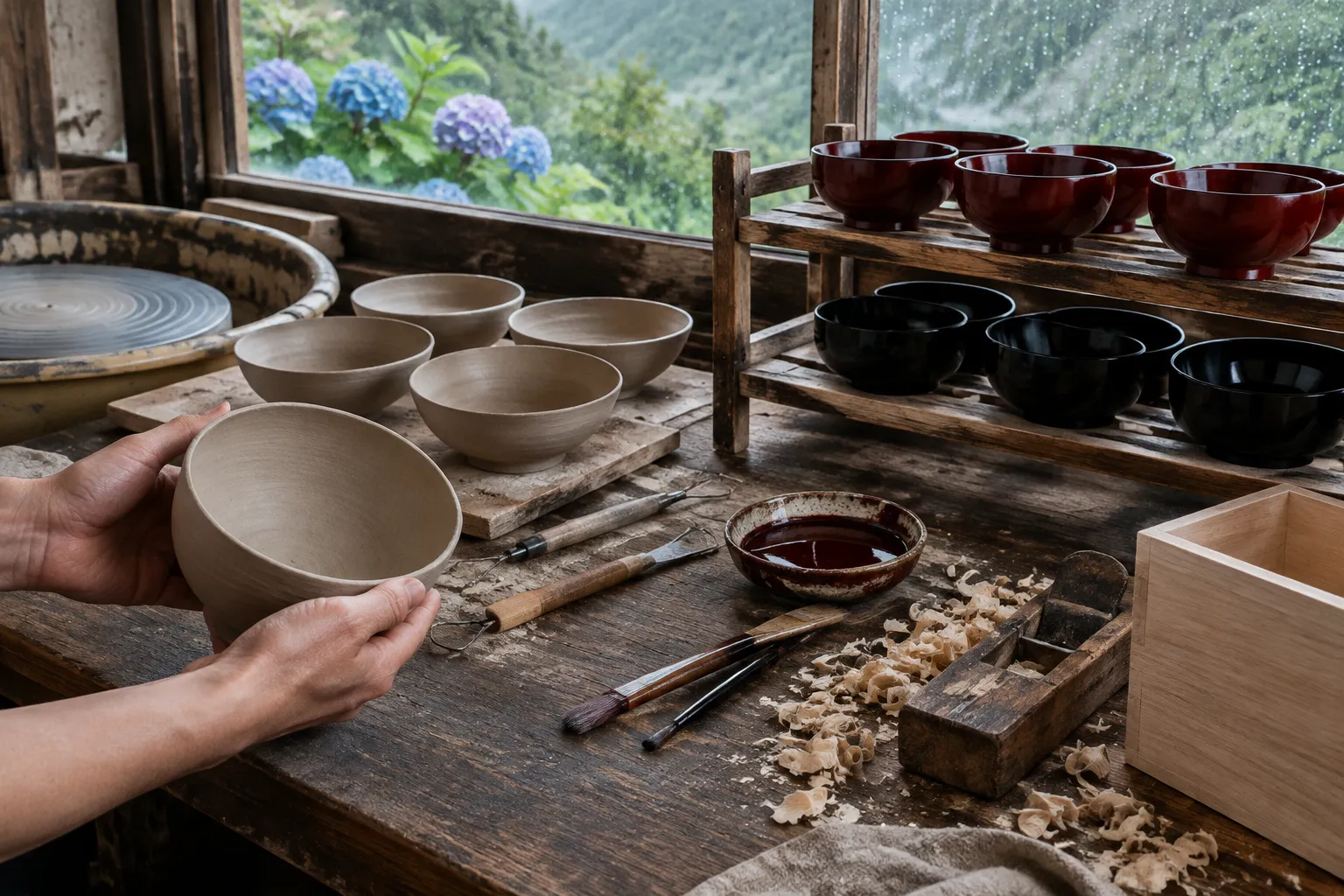
Each craft is made using traditional materials and hand techniques. Kyo Buddhist altars are completed through complex processes layering lacquer and metals on wooden bases. Kyo lacquerware involves applying multiple layers of lacquer on wood, finishing as tea utensils and furniture. Kyo joinery assembles boards to create furniture and tools, while Kyo pottery and Kiyomizu ware feature diverse techniques and colorful patterns on tea bowls and plates. Kyo folding fans and Kyo uchiwa have uniquely Japanese forms and decorations, and Kyo stone crafts produce stone Buddhas and lanterns.
Main Production Areas and Their Characteristics
These traditional crafts are mainly produced within Kyoto city. Kyoto has been an ancient capital where artisan skills have been handed down. Each craft is made by specialized craftsmen or workshops, closely connected to the local culture and history.
Information for Visits and Purchases
The Creative Industry Promotion Office of Kyoto City’s Industrial Tourism Bureau provides information about traditional crafts. When considering visits or purchases, it is important to check the latest information at official contact points, local cooperatives, or craft museums. Since crafts are handmade, manufacturing and sales conditions may change.
Explanation for Overseas Craft and Design Enthusiasts
Kyoto’s nationally designated traditional crafts (various crafts) are valuable works through which one can feel Japan’s history and culture. The materials and techniques are diverse, blending woodworking, lacquerware, ceramics, and more. We want overseas readers to understand that these crafts are not mere decorations but the crystallization of artisan skills cultivated over a long history.
When visiting, exploring the production areas and workshops of each craft allows deeper understanding of the manufacturing process and cultural background. When considering purchases, using official information sources to confirm the origin and quality of products provides reassurance.
Moreover, traditional crafts are important industries supporting regional culture and are attracting attention from the perspective of sustainable manufacturing. For overseas buyers and travelers, Kyoto’s various crafts offer a valuable experience to deepen understanding of Japanese culture.
出典
- 国指定伝統的工芸品(諸工芸)(2026年11月8日確認)
Related Links
Related articles
Honminoshi: Traditional Japanese Washi Paper with a 1300-Year History
Honminoshi is a washi…
Features and Appeal of Yokkaichi Banko Ware
Yokkaichi Banko Ware …